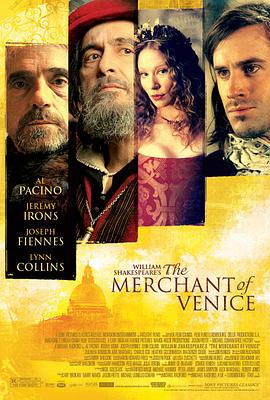
年轻人巴萨尼奥(约瑟夫·费因斯 Joseph Fiennes饰)一心要向富商千金鲍西娅小姐(琳恩·柯林斯 Lynn Collins饰)求婚,为了这个愿望,他必须付出三千达克特,无奈中他只好向热心肠的商人安东尼奥(杰里米·艾恩斯 Jeremy Irons饰)借钱。碰巧的是,安东尼奥因为生意周转的问题,只能问犹太人夏洛克(阿尔·帕西诺 Al Pacino饰)借来这笔钱。 安东尼奥对犹太人历来抱有强烈的厌恶感,而夏洛克则提出了让人吃惊的要求:安东尼奥必须如期如数的归还这笔钱,否则,他将会切下安东尼奥身上的一磅肉。 巴萨尼奥终于如愿以偿的娶回了鲍西娅,安东尼奥却因为生意失败,在夏洛克的讨债中陷入困境。夏洛克还要趁这个机会,一雪安东尼奥对犹太人侮辱之耻。安东尼奥那一磅肉,看来非割不可了,聪明的鲍西娅却用绝妙一招,化险为夷。
The legend of King Naresuan continues with this third of four chapters and tells the story of King Naresuan, Thai’s chivalric king and warrior in the Ayutthaya era who fought against the invasion of Burmese troops that wanted to overpower the Ayutthaya Kingdom.
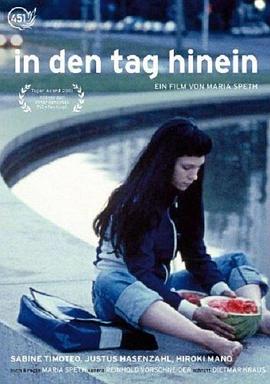
Lynn (22) lives with her brother in Berlin. There she enjoys the advantages of family life, without really feeling involved in it. She does not have any precise aim in life, but manages to awaken the interest of many people with her direct and spontaneous character. Her boyfriend David is very different he is entirely engrossed in his very disciplined swimming training for the world championships. David does not intend to allow himself to be distracted by the complicating factors of a relationship with Lynn. When Lynn, working behind the till of restaurant, meets the Japanese student Koji, everything gets more complicated. They can't exchange many words, but it is soon clear that their moments together mean a lot to both of them.
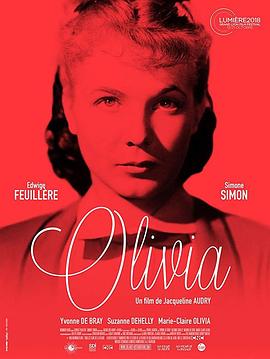
大概是法国第一部描写女同志的故事片吧。 Olivia (also known as Pit of Loneliness) is a 1951 French film directed by Jacqueline Audry. It is based on the 1950 semi-autobiographical novel by Dorothy Bussy. It has been called a landmark of lesbian representation. Olivia arrives at a finishing school and falls in love with headmistress Mlle. Julie. Mlle. Julie feels the same, but tries to suppress her desire. For her part as Mlle. Julie, Edwige Feuillère was nominated for a BAFTA award for Best Foreign Actress in 1952. French director Audry made 18 feature films from 1944 to 1972. Her earliest films are prime examples of the French 'tradition of quality.' She favored plots adapted from French literature. Audry is most distinguished from her peers in that her films were primarily focused upon female leads, whereas traditional French cinema is centered around the lives of men. Her most notorious film was 1951's Olivia, which dealt with lesbian relationships.